CVC Blending Cards
R75,00
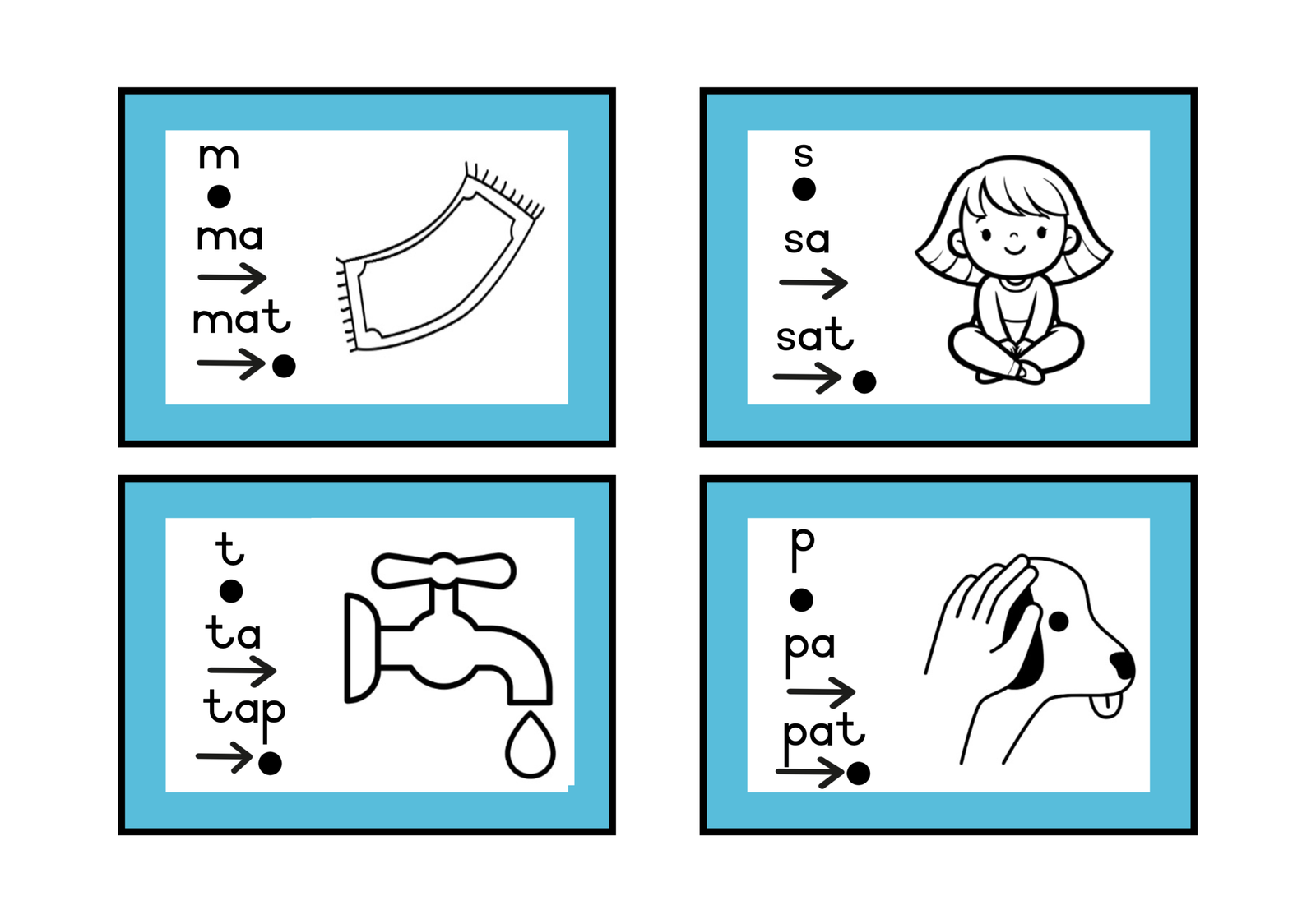
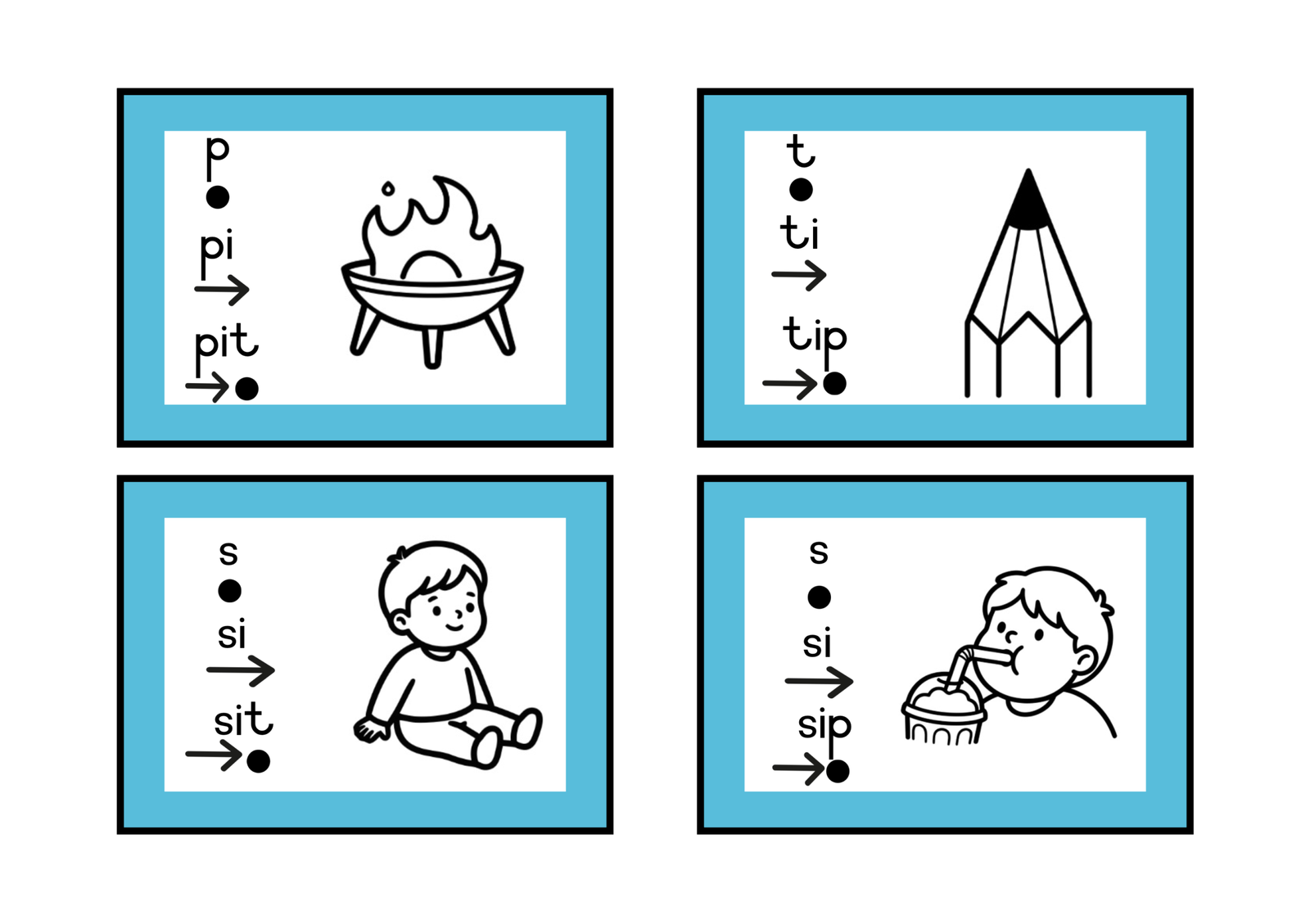
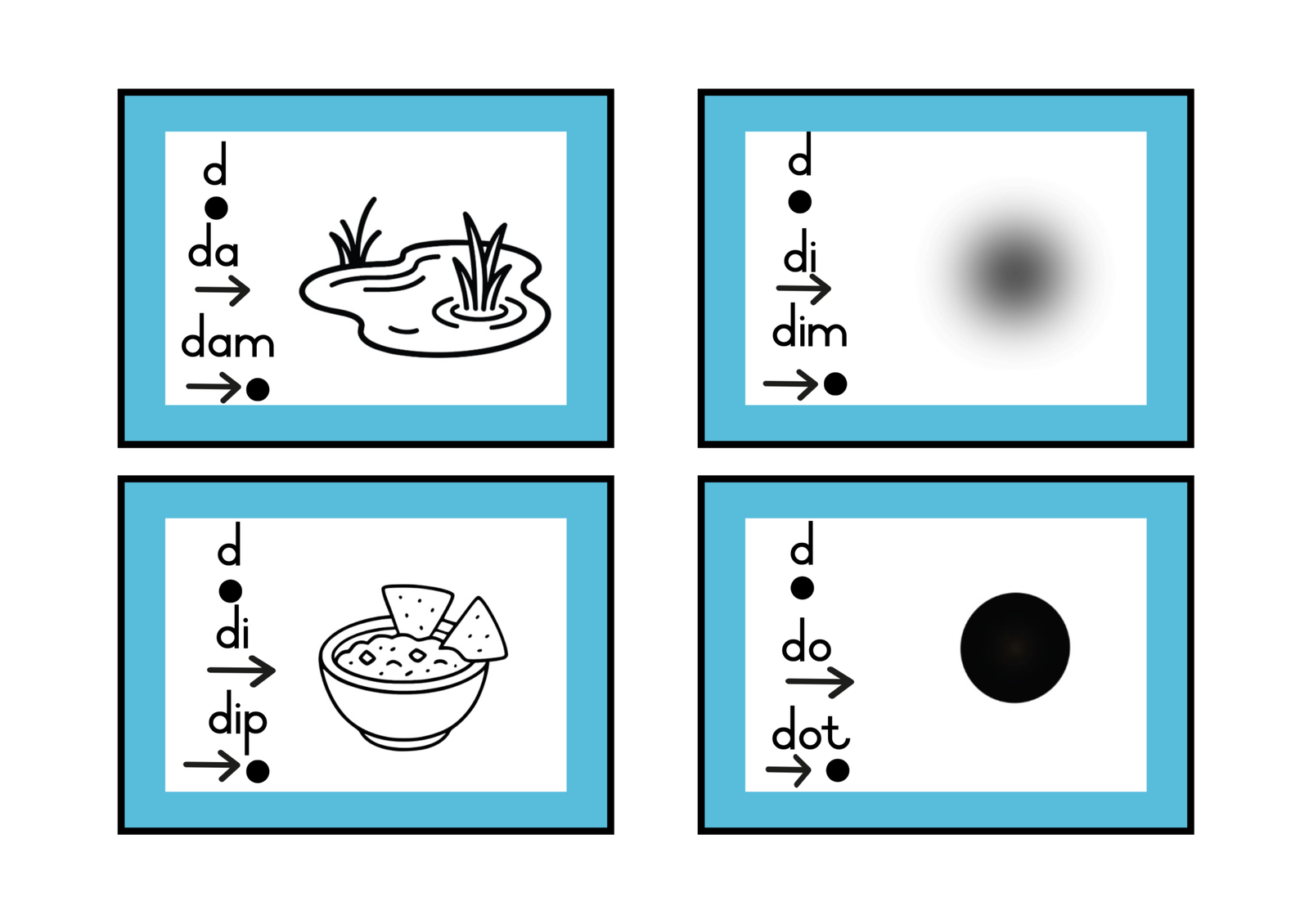
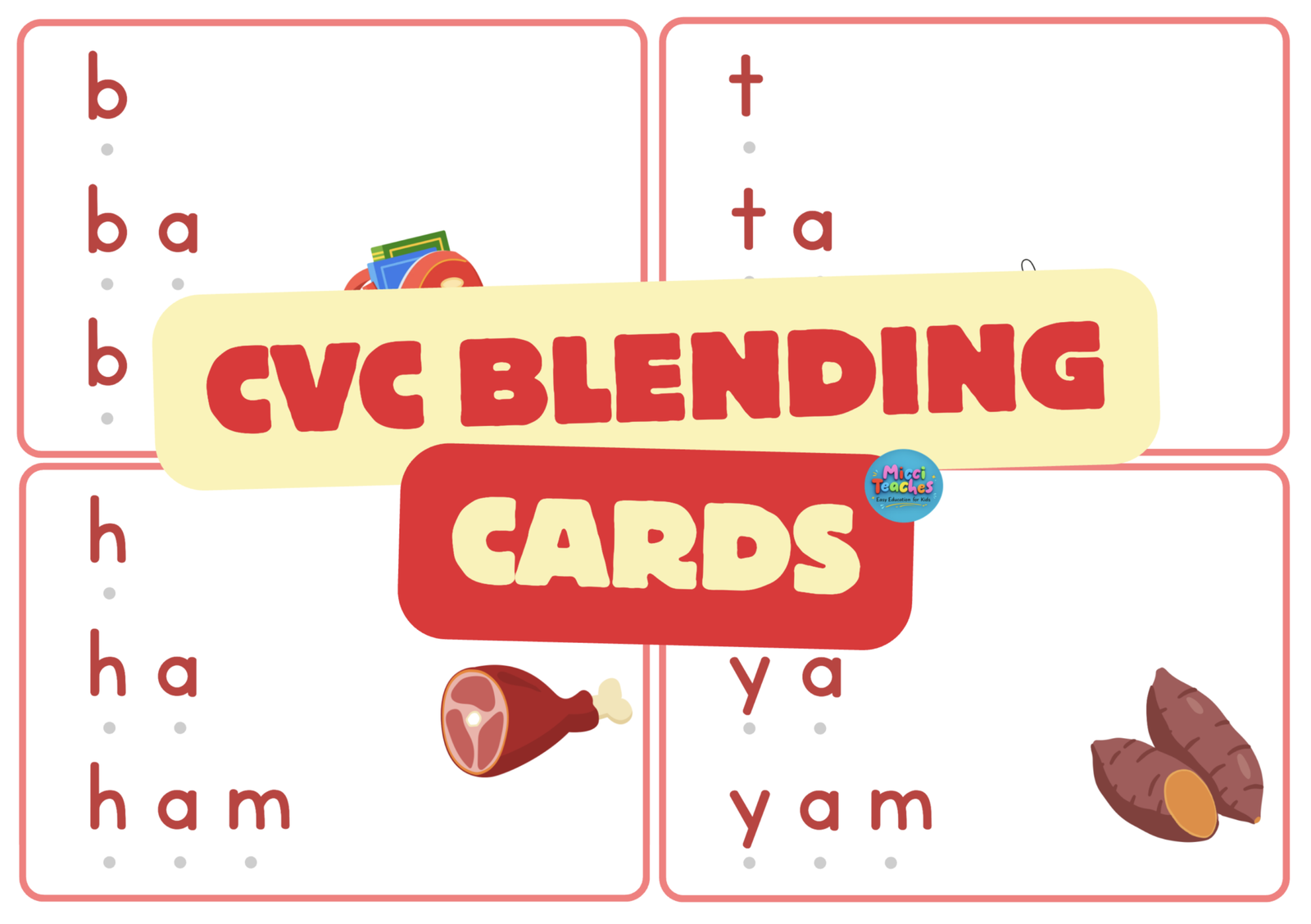
Why CVC Blending Cards Work CVC blending cards like m → ma → map help a child learn to blend sounds progressively instead of trying to hold the whole word in memory at once. The child builds the word step by step: m → say /m/ ma → blend /m/ + /a/ = ma map → add /p/ = map This helps because it: • reduces the load on working memory • teaches the child to blend from left to right • encourages continuous blending • prevents the habit of saying m…a…p and then guessing the word • strengthens the…
Why CVC Blending Cards Work
CVC blending cards like m → ma → map help a child learn to blend sounds progressively instead of trying to hold the whole word in memory at once.
The child builds the word step by step:
m → say /m/
ma → blend /m/ + /a/ = ma
map → add /p/ = map
This helps because it:
• reduces the load on working memory
• teaches the child to blend from left to right
• encourages continuous blending
• prevents the habit of saying m…a…p and then guessing the word
• strengthens the connection between letters, sounds and spoken words
• gives the child a feeling of success because the word grows in small, manageable steps
A helpful instruction is:
“Don’t start again. Keep what you have already blended and add the next sound.”
So we want:
m → ma → map
rather than constantly starting the word again.
Why the Picture Is So Important
The picture together with the word adds meaning to what the child has just decoded.
When the child blends m → ma → map and then sees a picture of a map, the brain connects:
letters → sounds → word → picture → meaning
That picture becomes a little confirmation for the brain:
“Yes! The word I just blended makes sense.”
Pictures can also support:
• vocabulary development
• memory
• comprehension
• confidence
• word retrieval
But there is one very important rule:
The picture must support the reading, not replace the reading.
We do not want the child to look at the picture and guess the word. Ideally, the child first blends the word, then uses the picture to check whether the word
makes sense.
This is why CVC blending cards with pictures can be so powerful. We are not only teaching a child to say sounds. We are helping the brain connect what the
child sees, what the child says, what the child reads and what the word actually means.
That is how decoding slowly starts becoming real reading